
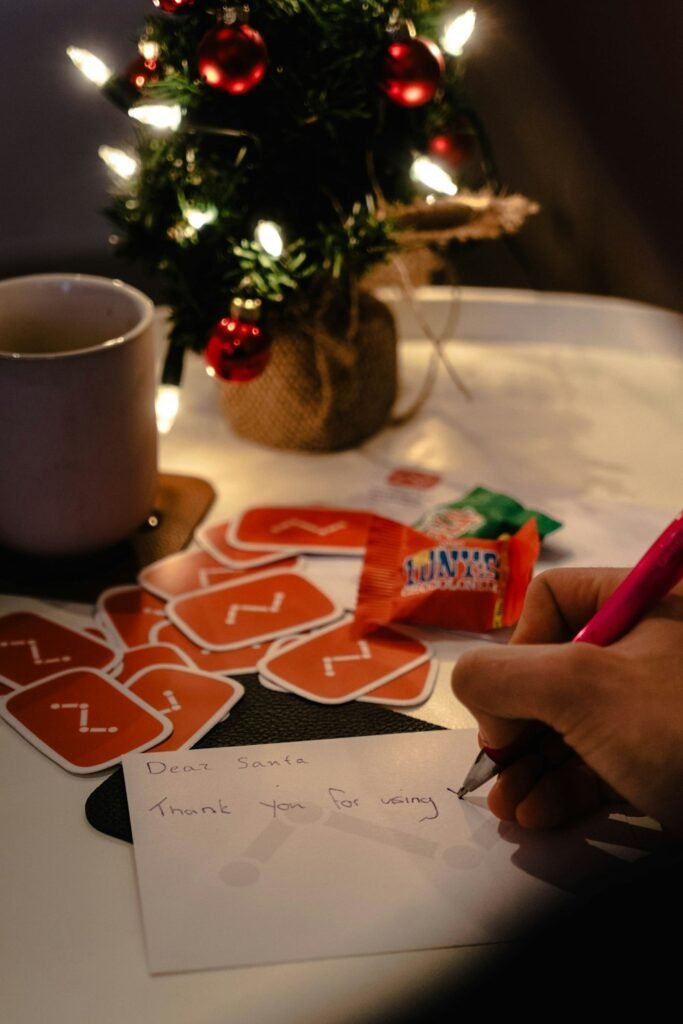
You bought the card two days ago. It’s been sitting on the counter ever since, because every time you pick up the pen, the words feel either too small or too much. That’s normal. Almost everyone freezes in front of a blank sympathy card, and the person grieving knows it. What they’ll remember isn’t perfect wording. It’s that you wrote at all. This guide walks through what to say in a sympathy card, what to avoid, how to sign it, and gives you more than 40 sympathy messages and condolence examples you can copy, adjust and make your own.
A Simple Way to Structure Any Sympathy Card
Most good sympathy notes follow the same quiet pattern, whether you knew the person well or not:
1. Acknowledge the loss by name. “I was so sorry to hear about your mom” is warmer than “I’m sorry for your loss.”
2. Share a memory or a quality you admired, if you have one. Even something small, like the way they laughed or how they always remembered your kids’ names, means a lot.
3. Offer support that is specific. “I’ll drop off dinner on Thursday” helps more than “Let me know if you need anything.”
4. Close with warmth. “Thinking of you,” “With love” or “With deepest sympathy” all work.
Two or three sentences is plenty. You don’t need to fill the card.
What Not to Write in a Sympathy Card
Some phrases are meant kindly but can sting. Try to avoid “Everything happens for a reason,” “They’re in a better place” (unless you know the family shares that belief), “I know exactly how you feel,” “At least they lived a long life,” and anything that compares their loss to your own. Skip advice, too. Grieving people don’t need tips. They need to feel seen.
Short Sympathy Messages
- I’m so sorry for your loss. Thinking of you and your family.
- With deepest sympathy and warm thoughts during this difficult time.
- Holding you close in my thoughts and sending so much love.
- There are no words, but please know I’m here for you.
- So sorry to hear about [Name]. Sending love and strength.
- Thinking of you today and in the days ahead.
- My heart goes out to you and your family.
- Wishing you comfort and peace as you remember [Name].
- With love and sympathy, now and always.
- Sending you a hug from afar and all my love.
Heartfelt Sympathy Card Messages
- I was heartbroken to hear about [Name]. They had a way of making everyone feel welcome, and I know how much they meant to you. I’m holding you close.
- [Name] was one of the kindest people I’ve ever known. I’ll always remember [memory]. Please know you’re in my thoughts every day.
- I can’t imagine what you’re going through right now. Just know you don’t have to go through it alone. I’m here, today and for as long as you need.
- The world feels a little quieter without [Name]. I’m so grateful I got to know them, and I’m so sorry you’re facing this loss.
- May the love of the people around you, and the memories you shared with [Name], bring you some comfort in the weeks ahead.
- There’s no right thing to say, so I’ll just say this: I love you, I’m thinking of you, and I’m only a phone call away.
Sympathy Messages When You Didn’t Know the Person Well
- I didn’t have the chance to know [Name] well, but I know how much they meant to you. I’m so sorry.
- From everything you’ve shared about [Name], they were clearly loved deeply. Thinking of you.
- I’m sorry I never got to meet your [relationship]. Sending you love and comfort.
- I only met [Name] a few times, but their warmth was impossible to miss. My deepest sympathy to you and your family.
Sympathy Messages Offering Help
- I’d love to bring dinner by this week. Would Tuesday or Thursday work better?
- I’m heading to the store on Saturday. Text me a list and I’ll drop everything off.
- I can pick up the kids from school next week so you have one less thing to think about.
- No need to reply to this card. I’ll check in on Sunday, and I’m here whenever you want to talk.
- If you need someone to walk the dog, mow the lawn or just sit with you, I’m around.
Religious Sympathy Messages
- May God hold you close and give you peace as you grieve the loss of [Name].
- Praying for you and your family. May you feel God’s comfort in the days ahead.
- “Blessed are those who mourn, for they will be comforted.” Holding you in prayer.
- May [Name] rest in eternal peace, and may your heart find comfort in God’s love.
- Our church family is praying for you. You are not alone.
Condolence Messages for a Card From a Group or Office
- Our whole team is thinking of you and your family. Please take all the time you need.
- With deepest sympathy from all of us at [Company Name].
- We’re so sorry for your loss. Your work family is here for you.
- Sending our heartfelt condolences and love from everyone in the office.
Sympathy Messages to Send by Text
- Just heard about [Name]. I’m so sorry. No need to reply, just know I’m thinking of you.
- I’m so sorry. I’m here if you want to talk, vent or just sit quietly together.
- Thinking of you today. Sending love and a big hug.
- I know today is the funeral. I’m with you in spirit and holding you close.
Late Sympathy Messages
- I know this card is late, but I’ve been thinking of you since I heard about [Name]. I’m so sorry.
- I’ve wanted to reach out for weeks and didn’t know what to say. I’m still thinking of you and [Name].
- It’s been a few months, and I imagine the cards have stopped coming. I just want you to know I haven’t forgotten. Thinking of you.
How to Sign a Sympathy Card
Keep the sign-off as warm as the message. “With deepest sympathy,” “Thinking of you always,” “With love and prayers,” “Holding you in my heart” and “With heartfelt condolences” all work. For close friends and family, “All my love” is perfect. If the card is from your whole household, sign everyone’s names.
Questions About Sympathy Cards
What do you write in a sympathy card?
Acknowledge the loss by name, share a memory or a quality you admired, offer specific help if you can and close warmly. Two or three sentences is enough.
What is the difference between sympathy and condolences?
They mean almost the same thing. “Sympathy” is more common on cards in the US, while “condolences” is used more in formal messages and in the UK, Canada and Australia. Both say you share someone’s sorrow.
How soon should you send a sympathy card?
Within two weeks of hearing the news is ideal, but there’s no deadline. A card that arrives a month or two later can mean even more, because by then most people have stopped reaching out.
Is it okay to send a sympathy text instead of a card?
A text is fine for close friends or for a quick first message. For family, coworkers and people you don’t see often, a handwritten card is still the most meaningful choice.
Should you mention the person who died by name?
Yes. Hearing their loved one’s name is often a comfort, not a hurt. It shows you’re remembering them too.
Messages for Specific Losses
If you’re writing about a particular relationship, our guides on sympathy messages for the loss of a mother, sympathy messages for the loss of a father, sympathy messages for a coworker, sympathy messages for a friend and pet sympathy messages go into more detail. For the first holidays after a loss, see our messages for someone grieving during the holidays.