
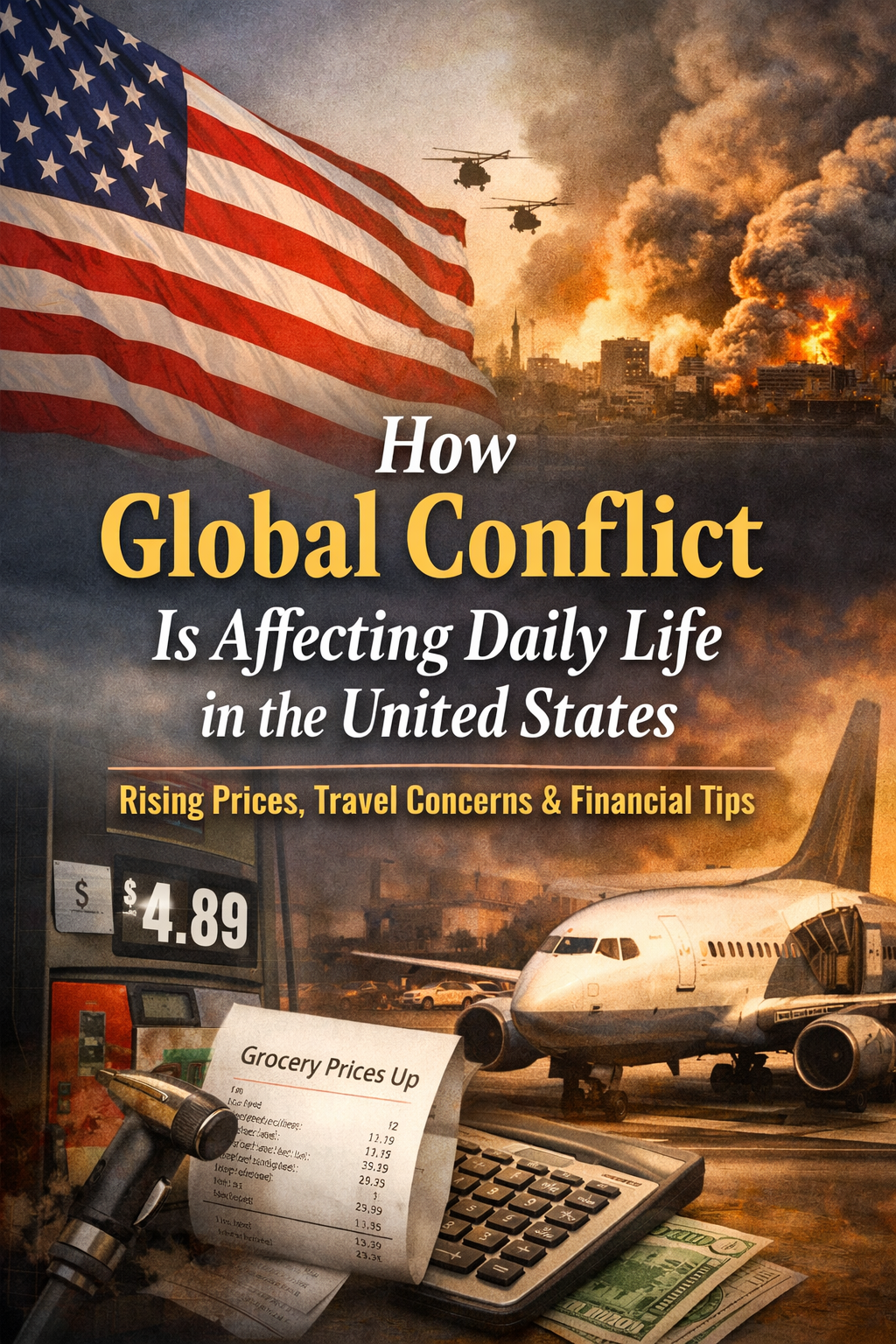
How Global Conflict Is Quietly Shaping Everyday Life in the United States
In recent weeks, global tensions have once again become a focal point of public attention. While the situation may seem geographically distant, its effects are gradually becoming visible in everyday life across the United States. From subtle price shifts to changing consumer behavior, Americans are increasingly searching for clarity on what these developments mean for them.
Rather than reacting to headlines alone, many are now focusing on understanding the broader implications — especially those that influence daily expenses, financial decisions, and personal well-being.
The Ripple Effect on Energy and Fuel Costs
One of the earliest and most noticeable impacts of geopolitical instability is fluctuation in energy markets. The United States, while being a major energy producer, is still connected to global oil pricing systems. Any disruption in supply chains or uncertainty in key regions can influence fuel prices domestically.
According to data trends historically observed by organizations like the U.S. Energy Information Administration (EIA), even minor global disruptions can trigger noticeable changes at the gas pump. This is why searches related to “why gas prices are rising” tend to spike during such periods.
For everyday consumers, this translates into higher commuting costs, increased delivery charges, and a gradual rise in the price of goods that rely on transportation.
Rising Cost of Living and Consumer Behavior Shifts
Beyond fuel, broader inflation concerns begin to surface. Grocery bills, utility costs, and essential services often reflect upstream changes in logistics and supply chains.
Recent consumer behavior trends, often tracked by institutions like the Bureau of Labor Statistics (BLS), show that during uncertain global periods, households tend to:
- Prioritize essential spending
- Delay major purchases
- Increase savings where possible
Search interest around “how to save money” and “budgeting tips USA” typically rises during these times — signaling a shift toward financial caution rather than panic.
Supply Chains and Availability of Goods
While severe shortages are uncommon in stable economies like the United States, temporary disruptions or delays can still occur. These are often caused by logistical bottlenecks, increased shipping costs, or changes in trade routes.
Reports from global organizations such as the World Bank and International Monetary Fund (IMF) have consistently highlighted how interconnected supply chains amplify the effects of regional conflicts.
For consumers, this doesn’t usually mean empty shelves — but it may mean:
- Slight delays in product availability
- Price adjustments on imported goods
- Limited stock of specific items
This explains the growing search trend around “what to stock at home” — often driven more by caution than necessity.
Travel Hesitation and Changing Plans
Travel-related searches also reflect changing sentiment. Americans are becoming more mindful when planning international trips, especially to regions perceived as uncertain.
Guidance from the U.S. Department of State often becomes a key reference point during such times, as travelers look for updated advisories and safety recommendations.
As a result:
- Flexible bookings are becoming more popular
- Travel insurance demand increases
- Domestic travel may see a temporary rise
Rather than canceling plans altogether, many individuals are simply opting for more informed and cautious decision-making.
Work, Income Stability, and Financial Planning
Periods of global uncertainty often lead to increased awareness around job security and financial resilience. While the U.S. economy remains structurally strong, certain industries — particularly those tied to global trade or travel — may experience fluctuations.
Insights from the Federal Reserve have shown that during uncertain economic periods, individuals tend to focus more on:
- Emergency savings
- Diversified income streams
- Debt reduction
This aligns with rising online interest in topics like “side income ideas” and “how to build an emergency fund.”
The Psychological Impact of Constant News Exposure
Beyond financial and logistical effects, there is a quieter but equally important shift happening — the impact on mental well-being.
With 24/7 news cycles and instant updates, many Americans are experiencing information fatigue. Studies and guidance from organizations like the American Psychological Association (APA) emphasize that excessive exposure to distressing news can increase anxiety levels.
As a result, more people are consciously:
- Limiting news consumption
- Choosing verified and balanced sources
- Engaging in offline activities to maintain mental balance
Search trends around “how to reduce stress from news” and “digital detox tips” often rise alongside major global events.
Preparedness Without Panic: A Measured Approach
One of the most interesting patterns seen during such times is the shift toward preparedness — but in a more informed and controlled manner.
Unlike previous years where panic buying dominated headlines, current behavior suggests a more balanced mindset. People are focusing on practical readiness, such as:
- Keeping essential household items stocked in moderation
- Staying updated through credible sources
- Planning finances more carefully
This reflects a growing awareness that preparation is not about fear — but about stability and control.
Why Awareness Matters More Than Reaction
Global events will always influence local realities to some extent. However, the way individuals respond to these changes makes a significant difference.
Data and insights from institutions like the Pew Research Center suggest that informed individuals are more likely to make rational, calm decisions compared to those reacting purely to headlines.
By focusing on verified information, practical adjustments, and long-term thinking, Americans are increasingly choosing awareness over alarm.
Stability in a Connected World
While global conflict introduces uncertainty, it also highlights how interconnected modern life has become. From fuel prices to travel decisions, the ripple effects are real — but they are often gradual and manageable.
For most individuals in the United States, the key is not drastic change, but thoughtful adaptation. Small, informed decisions — whether financial, personal, or lifestyle-related — can provide a sense of control even in uncertain times.
In the end, staying grounded, informed, and balanced remains the most effective way to navigate a rapidly changing world.
Related FAQs
Global conflict can influence fuel prices, supply chains, travel decisions, and overall cost of living. While the effects are often indirect, they can still shape daily expenses and financial planning for many Americans.
Uncertainty in global markets can affect the supply of energy, transportation, and goods. This often leads to higher costs for fuel, groceries, and other essentials due to increased production and shipping expenses.
In most cases, widespread shortages are unlikely. However, temporary delays or limited availability of certain products can occur due to disruptions in global supply chains.
Travel safety depends on the destination and current advisories. Many travelers choose to stay updated with official guidance and opt for flexible bookings to manage any unexpected changes.
A balanced approach is key. Staying informed through reliable sources, maintaining a reasonable запас of essentials, and focusing on financial stability can help individuals feel more secure without unnecessary stress.