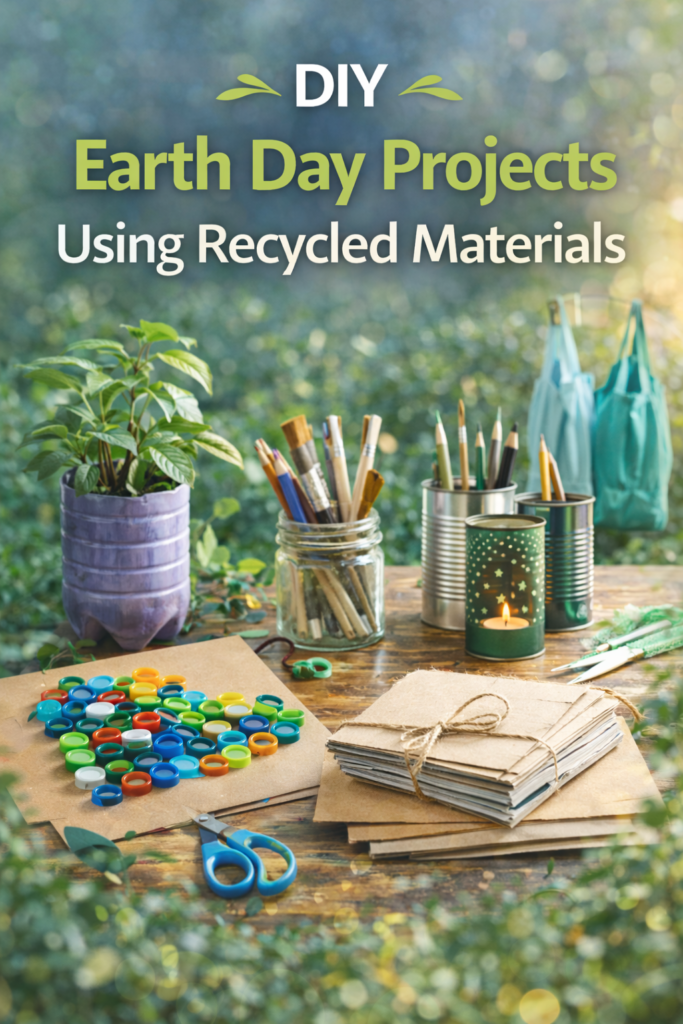
Earth Day is the perfect time to turn creativity into action, and one of the most engaging ways to do that is through DIY projects using recycled materials. Instead of discarding items like plastic bottles, cardboard, jars, or old newspapers, you can transform them into something useful, decorative, or meaningful. These projects not only reduce waste but also encourage a mindset of reuse and sustainability.
DIY Earth Day projects are ideal for individuals, families, schools, and even workplaces. They combine creativity with purpose, making sustainability feel enjoyable rather than restrictive. Whether you’re crafting alone or involving others, these projects can help you see everyday waste in a completely new way.
Turning Waste into Purposeful Creations
Recycling is often seen as a routine task, but when it becomes creative, it turns into something much more impactful. DIY projects encourage you to rethink how items can be reused instead of thrown away. This shift in perspective is at the heart of sustainable living.
Before you begin, it’s helpful to understand the importance of sustainability and why these small actions matter. You can explore What is Earth Day? Meaning, History & Importance to better connect these projects with the bigger environmental picture.
Plastic Bottle Planters
Plastic bottles are one of the most common waste items, but they can easily be transformed into plant holders. By cutting and shaping bottles creatively, you can create small planters for herbs, flowers, or indoor plants. This project not only reduces plastic waste but also adds greenery to your space, making it both practical and visually appealing.
Newspaper Craft Bags
Old newspapers can be repurposed into eco-friendly paper bags. These bags can be used for gifting, storage, or everyday use. This project highlights how simple materials can replace single-use plastic alternatives.
Glass Jar Storage Containers
Glass jars from food products can be cleaned and reused as storage containers. They can hold spices, stationery, or small household items. Decorating these jars adds a personal touch while promoting reuse.
Cardboard Organizer Boxes
Cardboard boxes can be turned into organizers for desks, shelves, or drawers. By cutting and assembling them creatively, you can create functional storage solutions while reducing waste.
Tin Can Lanterns
Empty tin cans can be transformed into decorative lanterns. By adding small patterns and placing a light source inside, you can create beautiful lighting pieces that are both eco-friendly and unique.
Old T-Shirt Tote Bags
Instead of discarding old clothes, they can be converted into reusable bags. This simple project reduces textile waste and provides a practical alternative to plastic bags.
Egg Carton Seed Starters
Egg cartons are perfect for starting seeds. They are biodegradable and provide a convenient way to grow plants before transferring them to soil.
Bottle Cap Art Projects
Bottle caps can be used to create creative artwork, coasters, or decorative items. These small pieces often go unnoticed, but they can be transformed into something visually interesting.
Scrap Paper Notebooks
Unused or partially used paper can be compiled into handmade notebooks. This project is especially useful for reducing paper waste and creating something functional.
Wooden Pallet Projects
Old wooden pallets can be repurposed into furniture, shelves, or garden décor. While this project requires a bit more effort, it offers long-lasting results and significant waste reduction.
Making DIY Projects a Shared Activity
DIY Earth Day projects become even more meaningful when shared with others. Families can involve children, schools can turn them into classroom activities, and workplaces can organize group crafting sessions. If you’re looking for ideas tailored for younger audiences, you can explore Earth Day Activities for Kids at Home & School.
For broader participation, you can also encourage teams or individuals to combine crafting with other sustainable actions by exploring Earth Day Ideas for Companies & Offices.
Connecting Creativity with Sustainable Living
DIY projects are not just about crafting—they are about changing the way we think about consumption. Each item you reuse reduces the demand for new materials and helps minimize environmental impact.
If you’re looking to expand your efforts beyond crafting, you can explore Easy Earth Day Tips to Live More Sustainably to integrate sustainability into your daily routine.
For more action-based ideas, you can also check out 25 Earth Day Activities for Adults and take your Earth Day efforts further.
Sharing Your DIY Creations
One of the best ways to inspire others is by sharing your work. Posting your DIY projects on social media can encourage others to adopt similar practices. To make your content more engaging, you can use Earth Day Quotes, Messages, and Captions to express your ideas and spread awareness.
Building a Habit of Reuse
The true value of DIY Earth Day projects lies in their ability to build long-term habits. Once you begin to see waste as a resource, your approach to consumption changes naturally. You become more mindful, creative, and intentional in your choices.
Earth Day is a starting point, but these habits can continue throughout the year. By embracing DIY projects and encouraging others to do the same, you contribute to a more sustainable and resourceful way of living—one small creation at a time.
Related FAQs
Easy DIY projects include making bottle planters, newspaper bags, tin can lanterns, glass jar storage, and scrap paper notebooks. These projects help reuse waste while creating useful items.
Recycled DIY projects reduce waste, promote creativity, and encourage sustainable habits. They help people see the value in reusing materials instead of discarding them.
Common materials include plastic bottles, cardboard boxes, glass jars, old clothes, newspapers, tin cans, and bottle caps. These everyday items can be repurposed into creative and useful products.
Yes, DIY Earth Day projects are suitable for all age groups. Kids can enjoy simple crafts, while adults can work on more functional or decorative projects, making it a great shared activity.
DIY projects encourage reuse, reduce the need for new products, and minimize waste. They also build awareness about consumption habits and promote a more eco-friendly lifestyle.