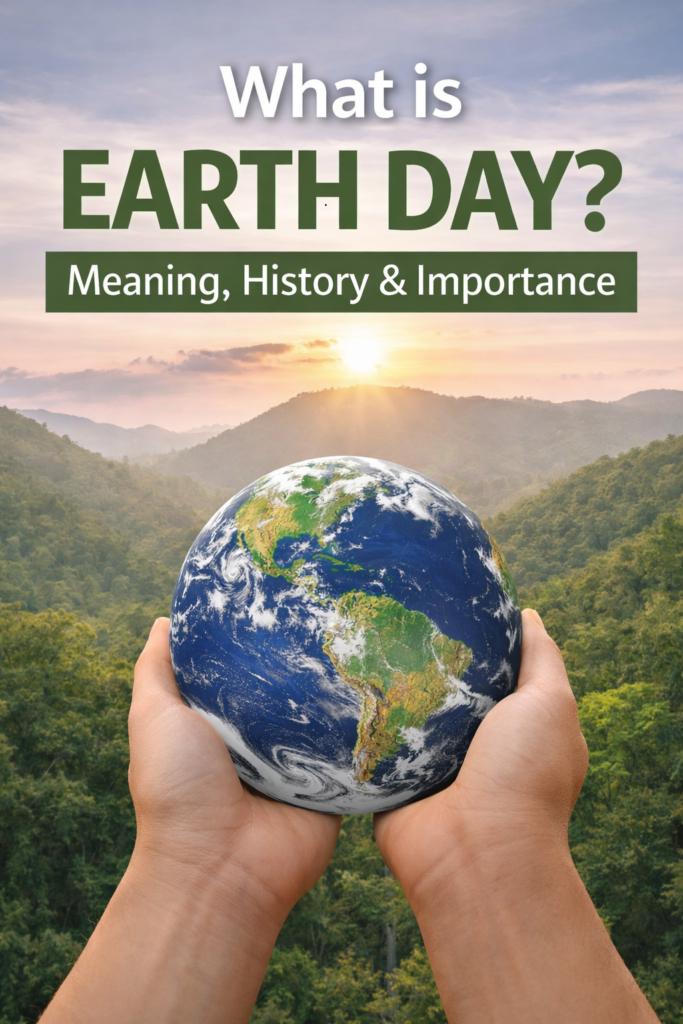
Earth Day is one of the most widely recognized environmental events in the world, observed every year on April 22. It serves as a global reminder of the importance of protecting our planet and encourages individuals, communities, and organizations to take meaningful action toward environmental sustainability. Over the years, Earth Day has evolved from a grassroots movement into a worldwide phenomenon that unites millions of people with a shared purpose—preserving the Earth for future generations.
What is Earth Day?
Earth Day is an annual event dedicated to raising awareness about environmental issues such as climate change, pollution, deforestation, and biodiversity loss. It inspires people to reflect on how their daily actions impact the planet and motivates them to adopt more sustainable habits.
Rather than being limited to a single celebration, Earth Day represents a broader movement that promotes environmental responsibility. From individual efforts like reducing waste to global initiatives focused on conservation, Earth Day acts as a catalyst for change at every level.
Meaning of Earth Day
The meaning of Earth Day lies in its core message: the Earth is our shared home, and it is our collective responsibility to protect it. It emphasizes the connection between human actions and environmental health, reminding us that even small choices can have long-term consequences.
Earth Day encourages mindfulness in how we consume resources, manage waste, and interact with nature. It promotes the idea that sustainability is not just a trend but a necessity for maintaining balance within ecosystems. For many, it also serves as a moment to reconnect with nature and appreciate the beauty and resources the planet provides.
History of Earth Day
The history of Earth Day dates back to 1970, a time when environmental concerns were gaining attention in the United States. Industrial growth had led to increased pollution, oil spills, and environmental degradation, but there was little public awareness or regulation to address these issues.
The first Earth Day was organized by U.S. Senator Gaylord Nelson, who sought to bring environmental issues into the national spotlight. Inspired by the energy of student movements, he envisioned a nationwide event that would mobilize people to demand change. On April 22, 1970, millions of Americans participated in rallies, demonstrations, and educational activities focused on environmental protection.
This historic event marked a turning point, leading to the creation of key environmental laws and agencies. Over time, Earth Day expanded beyond the United States, becoming a global event celebrated in more than 190 countries. Today, it continues to inspire action on a wide range of environmental challenges.
Why is Earth Day Important?
Earth Day plays a crucial role in raising awareness and driving action on environmental issues. It highlights the urgency of addressing challenges such as climate change, pollution, and resource depletion while encouraging individuals to take responsibility for their impact.
One of the key reasons Earth Day remains important is its ability to unite people across cultures and regions. It creates a shared platform where individuals, organizations, and governments can collaborate toward common environmental goals.
Earth Day also serves as an educational tool, helping people understand the consequences of unsustainable practices and the benefits of adopting greener alternatives. By promoting awareness and action, it contributes to long-term environmental progress.
How Earth Day is Celebrated
Earth Day is celebrated in a variety of ways, ranging from individual actions to large-scale events. Many people choose to spend the day outdoors, participating in activities that promote environmental awareness and conservation.
Common ways to celebrate include planting trees, cleaning up public spaces, reducing waste, and supporting environmental organizations. Schools, workplaces, and communities often organize events such as workshops, campaigns, and volunteer initiatives to encourage participation.
In recent years, digital platforms have also played a significant role in spreading awareness. Social media campaigns, virtual events, and online discussions have made it easier for people to engage with Earth Day and share their efforts with a wider audience.
If you are looking for practical ways to take action, you can explore 25 Earth Day Activities for Adults to find ideas that fit your lifestyle and make a real difference.
The Growing Global Impact of Earth Day
Since its beginning, Earth Day has grown into a global movement that influences policies, inspires innovation, and encourages collective action. It has contributed to increased awareness about environmental issues and has played a role in shaping discussions around sustainability and climate change.
Organizations around the world use Earth Day as an opportunity to launch initiatives, promote eco-friendly practices, and engage communities. It has also inspired younger generations to become more environmentally conscious and proactive in addressing global challenges.
The continued relevance of Earth Day reflects the ongoing need for environmental action. As challenges evolve, so does the movement, adapting to address new issues while maintaining its core mission of protecting the planet.
Making Earth Day a Starting Point
While Earth Day is celebrated once a year, its message extends far beyond a single day. The real impact comes from integrating sustainable practices into everyday life. Whether it’s reducing waste, conserving energy, or supporting environmental initiatives, consistent efforts lead to meaningful change.
Earth Day serves as a starting point—a reminder that every action matters and that collective efforts can create a significant impact. By embracing its message and taking practical steps, individuals can contribute to a healthier, more sustainable future for all.
For those who want to share awareness and inspire others, you can also explore Earth Day quotes, messages, and captions to express your thoughts and spread positivity on this important occasion.
Earth Day is not just about recognizing environmental challenges; it is about becoming part of the solution. Through awareness, action, and commitment, it continues to inspire millions to protect and preserve the planet we all share.
Related FAQs
Earth Day is celebrated every year on April 22 to raise awareness about environmental issues like climate change, pollution, and conservation. It encourages individuals and communities to take action to protect the planet.
Earth Day began in 1970 and was founded by U.S. Senator Gaylord Nelson. It started as a movement to bring environmental concerns into public awareness and has since grown into a global event.
The main purpose of Earth Day is to promote environmental awareness and inspire people to adopt sustainable habits that help protect natural resources and reduce environmental damage.
Earth Day is celebrated through activities like tree planting, clean-up drives, educational events, sustainability campaigns, and social media awareness. People and organizations worldwide participate in various eco-friendly initiatives.
Earth Day is more important than ever due to growing environmental challenges such as climate change, pollution, and resource depletion. It reminds people to take responsibility and act toward a sustainable future.